Men’s sexual health supplements: what’s real, what’s risky, and what works

Men’s sexual health supplements sit at a strange crossroads of modern medicine, marketing, and very human anxiety. They’re everywhere—online ads, gym locker room chatter, late-night “doctor endorsed” videos—yet the science behind many products is thin, inconsistent, or simply absent. At the same time, sexual function is a legitimate health topic, not a punchline. Erectile dysfunction (ED), low libido, and performance concerns can signal cardiovascular disease, diabetes, depression, sleep disorders, medication side effects, hormonal issues, relationship stress, or a combination of all of the above. The human body is messy that way.

I often meet patients who feel embarrassed bringing this up, so they try supplements first. That’s understandable. Supplements are accessible, they don’t require a prescription, and the labels promise a lot. But “natural” does not equal “safe,” and “popular” does not equal “effective.” Some ingredients have plausible mechanisms and limited supportive data; others are expensive pixie dust; a few are outright dangerous because of contamination or hidden prescription drugs.

This article treats men’s sexual health supplements like a medical topic—because it is one. We’ll separate evidence from wishful thinking, discuss realistic medical uses, and spell out risks, contraindications, and interactions. We’ll also talk about how these products are regulated (and how they aren’t), why counterfeits are a real problem, and how to think clearly about what you’re trying to treat. If you want a quick primer on the medical workup that often changes the whole conversation, see how clinicians evaluate erectile dysfunction.

Scope note: Supplements are not prescription drugs. They do not have an international nonproprietary name (INN) in the way medicines do, and they do not belong to a single pharmacologic class. The closest “therapeutic class” description is dietary supplements marketed for sexual function, typically blends of botanicals, amino acids, vitamins/minerals, and sometimes hormones or hormone-like compounds. The primary use in the real world is self-treatment of erectile dysfunction, low libido, and sexual performance concerns. That framing matters, because the evidence and safety profile depend heavily on the specific ingredient—and on what else is in the bottle besides what the label claims.

1) Medical applications: what these supplements are actually used for

In clinic, the reasons men reach for sexual health supplements tend to cluster into a few themes: erections that aren’t reliable, desire that feels “flat,” performance anxiety, fatigue, and the vague sense of “I’m not 25 anymore.” Patients tell me they want something discreet and immediate. They also want to avoid a medical label. I get it. Still, the body doesn’t care about our preferences; it follows physiology.

1.1 Primary indication: erectile dysfunction and performance concerns

The most common real-world target for men’s sexual health supplements is erectile dysfunction (ED)—difficulty achieving or maintaining an erection firm enough for satisfying sex. ED is not a single disease; it’s a symptom. Vascular health, nerve function, hormones, medication effects, alcohol, sleep, mood, and relationship dynamics can all push the system in one direction or another.

Supplements marketed for ED usually aim at one of three biological “stories”:

  • Nitric oxide (NO) support to improve blood flow to penile tissue (often via L-arginine or L-citrulline).
  • Stress and performance anxiety reduction (adaptogens like ashwagandha, or sedating botanicals). This is where expectations often outrun evidence.
  • Testosterone “boosting” to improve libido and energy (herbs like fenugreek or tongkat ali; sometimes zinc or vitamin D). This is frequently oversold.

Here’s the limitation that gets ignored: even if an ingredient nudges a pathway in a lab study, that does not guarantee a meaningful, reliable effect in real life. ED is often vascular. When arteries are stiff or narrowed, a mild supplement effect is like blowing harder into a kinked hose. That’s why, in my experience, men with long-standing diabetes, uncontrolled hypertension, or significant cardiovascular disease rarely get the “wow” result they were promised by a label.

Another limitation: supplements do not diagnose the cause. ED can be the first visible sign of systemic disease. When I hear “I just need a booster,” my next thought is usually, “Or we’re missing a blood pressure problem.” If you want a practical discussion of red flags and what to ask your clinician, ED symptoms that deserve a medical check is a good starting point.

1.2 Secondary uses people seek (not the same as approved indications)

Because supplements are not approved like drugs, “approved secondary uses” is not really a category. Still, there are common secondary goals that show up repeatedly, and it’s worth addressing them in medical terms rather than marketing terms.

Low libido. Libido is influenced by testosterone, estradiol balance, thyroid status, sleep, depression, chronic stress, relationship quality, and certain medications (SSRIs are a classic). Supplements that claim to “increase desire” usually rely on limited trials, subjective endpoints, or mixed formulations that make it hard to know what did what. In daily practice I notice that sleep debt and alcohol are far more powerful libido suppressors than most men want to admit. Not glamorous, but true.

Fertility and semen parameters. Some men use antioxidants (coenzyme Q10, carnitine, vitamins C and E, selenium, zinc) hoping to improve sperm count or motility. There is a biologic rationale—oxidative stress can affect sperm—but results vary, and underlying causes (varicocele, hormonal disorders, genetic issues, heat exposure, medications, anabolic steroid use) often dominate the picture.

Energy, mood, and confidence. This is the “I want to feel like myself again” bucket. Adaptogens and stimulatory herbs are popular here. The problem is that mood and confidence can improve for many reasons, including placebo effects, better sleep, or reduced anxiety about performance. Placebo isn’t “fake,” by the way; it’s the brain doing brain things. But it’s not a reliable treatment plan either.

1.3 Off-label-style use: self-treatment without diagnosis

With prescription drugs, “off-label” has a legal meaning. With supplements, the parallel phenomenon is self-treatment without diagnosis. I see this frequently: a man buys a “male enhancement” blend for months, then finally comes in and we discover uncontrolled diabetes, severe sleep apnea, or medication-induced sexual dysfunction. The supplement wasn’t the villain; the delay was.

Clinicians sometimes discuss specific ingredients as adjuncts when the risk is low and expectations are realistic. That conversation looks nothing like an ad. It’s more like: “If your blood pressure is controlled, you stop smoking, and we address stress, then a nitric oxide precursor might give a small additional benefit.” That’s not a slogan. It’s a risk-benefit discussion.

1.4 Experimental and emerging directions

Research interest tends to swirl around a few areas:

  • Nitric oxide pathways and endothelial function (the lining of blood vessels). This overlaps with cardiovascular research, which is part of why ED is sometimes described as a vascular “early warning.”
  • Botanical extracts with potential effects on stress hormones, inflammation, or neurotransmitters. The challenge is standardization: the same plant can produce different chemical profiles depending on growing conditions and extraction methods.
  • Microbiome and metabolic health as upstream drivers of sexual function. This is intriguing but early, and it does not justify confident supplement claims.

If you’re sensing a theme—promising biology, limited certainty—you’re reading it correctly. Early findings are not a guarantee of meaningful clinical outcomes, and supplement marketing often skips that nuance.

2) Risks and side effects: the part labels whisper about

When someone tells me, “It’s just herbs,” I usually reply, gently, “So is poison ivy.” The risk profile of men’s sexual health supplements depends on the ingredients, dose variability, and—crucially—product quality. Unlike prescription medicines, supplements can vary from batch to batch, and independent testing sometimes finds contaminants or undeclared pharmaceuticals in “male enhancement” products.

2.1 Common side effects

Common side effects are often predictable once you know the ingredient category:

  • Headache, flushing, lightheadedness from vasodilatory ingredients (those that widen blood vessels), including nitric oxide boosters.
  • Gastrointestinal upset (nausea, diarrhea, cramping), especially with amino acids, magnesium, or multi-ingredient blends.
  • Jitteriness, insomnia, palpitations when products include stimulants or stimulant-like botanicals (sometimes not clearly labeled).
  • Drowsiness with sedating herbs, which can backfire if the goal is sexual performance and confidence.

Another “common” issue is not a symptom but a scenario: men stack products. A pre-workout, an energy drink, a libido blend, and then alcohol at night. That cocktail creates side effects that look mysterious until you add up the ingredients.

2.2 Serious adverse effects

Serious adverse effects are less common, but they’re the reason clinicians get nervous about certain supplement categories.

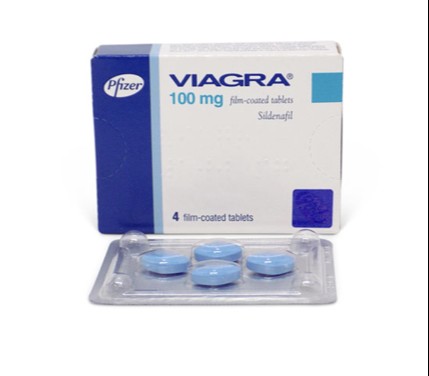
Dangerous drops in blood pressure. This is the big one when products are adulterated with hidden PDE5 inhibitors or similar compounds. PDE5 inhibitors are a pharmacologic class used for erectile dysfunction; the best-known generic names are sildenafil and tadalafil (brand names include Viagra and Cialis). These are legitimate medications for ED. The problem is when a supplement secretly contains them, at unknown doses, without screening for contraindications.

Cardiac symptoms. Chest pain, fainting, severe palpitations, or shortness of breath after taking a sexual enhancement product warrants urgent medical evaluation. Sometimes the culprit is stimulant contamination. Sometimes it’s an interaction with heart medications. Sometimes it’s an underlying heart condition that the sexual activity itself unmasks. Patients hate hearing that last part, but I’d rather have an annoyed patient than a tragedy.

Liver injury. Rare cases of supplement-associated liver injury have been reported across many supplement categories, including products marketed for sexual performance or bodybuilding. Multi-ingredient blends increase uncertainty because it’s hard to pinpoint the offending compound.

Psychiatric effects. Anxiety, agitation, and mood changes can occur with stimulant-like ingredients. If someone already has panic disorder, these products can pour gasoline on the fire.

2.3 Contraindications and interactions

Interactions are where “natural” products get genuinely dangerous. The list below is not exhaustive, and that’s the point: safety requires a full medication and health-history review.

  • Nitrates and nitrites (often prescribed for angina) plus PDE5 inhibitors can cause profound hypotension. If a supplement is adulterated with sildenafil/tadalafil-like compounds, the user may not know they’re at risk.
  • Alpha-blockers (used for prostate symptoms or blood pressure) can interact with vasodilatory agents and worsen dizziness or fainting.
  • Blood thinners and antiplatelet drugs can interact with certain botanicals that affect bleeding risk.
  • SSRIs, SNRIs, and other psychiatric medications can interact with serotonergic or stimulant-like ingredients, increasing side effects.
  • Alcohol amplifies dizziness and can worsen erectile function on its own. Combining alcohol with vasodilators or sedatives is a predictable mess.

One more practical contraindication: untreated sleep apnea. I mention it because I see it constantly. Poor sleep drives low libido, fatigue, and erectile issues, and it also increases cardiovascular risk. Supplements don’t fix that. A sleep study does.

3) Beyond medicine: misuse, myths, and public misconceptions

Sex sells, and insecurity sells even better. That’s not cynicism; it’s just observation. Men’s sexual health supplements thrive in the gap between what people want (fast, private, guaranteed) and what biology offers (variable, contextual, sometimes inconvenient). On a daily basis I notice that misinformation spreads faster than any virus because it’s emotionally satisfying. “Take this and you’ll be unstoppable” is a comforting story.

3.1 Recreational or non-medical use

Some men use sexual performance products recreationally—before dates, parties, or simply to chase a more intense experience. The expectation is often that a supplement will create an erection regardless of arousal, stress level, alcohol intake, or relationship dynamics. That’s not how sexual physiology works. Desire, arousal, blood flow, and nerve signaling all have to cooperate, and they don’t always feel like cooperating.

Recreational use also encourages dose escalation and mixing products. People rarely tell their clinician about it. Then they show up with palpitations, headaches, or dizziness and swear they’ve taken “nothing.” Patients tell me that “nothing” sometimes means “nothing prescribed.” That distinction matters.

3.2 Unsafe combinations

Unsafe combinations are common because the products are marketed as lifestyle enhancers rather than pharmacologically active substances.

  • Alcohol + vasodilators: more lightheadedness, worse coordination, and often worse erections despite the intention.
  • Stimulants + sexual enhancers: higher heart rate, higher blood pressure, more anxiety, and a higher chance of a scary ER visit.
  • Multiple “male enhancement” products: overlapping ingredients, unpredictable totals, and more side effects without a clear benefit.

If you want a grounded overview of medication interactions that clinicians watch for in sexual health care, drug interactions that affect erections is a useful companion read.

3.3 Myths and misinformation

Myth: “Natural means safe.” Natural means “from nature,” not “safe for your heart, liver, and blood pressure.” Hemlock is natural. So are potent stimulants.

Myth: “If it worked for my friend, it will work for me.” Sexual function is influenced by vascular health, hormones, mood, relationship context, and medications. Two men can take the same product and have opposite outcomes.

Myth: “Testosterone boosters raise testosterone like prescription therapy.” Most over-the-counter products do not produce clinically meaningful testosterone increases in men with true hypogonadism. When testosterone is genuinely low, the right move is diagnosis and supervised treatment, not guessing with a blend.

Myth: “More blood flow is always better.” Blood flow is good; dangerously low blood pressure is not. If you’re on antihypertensives, nitrates, or alpha-blockers, pushing vasodilation without supervision is a bad gamble.

Myth: “Supplements treat the cause of ED.” Sometimes ED is a symptom of cardiovascular disease, diabetes, nerve injury, or medication effects. Supplements rarely address the root cause. They can also distract from it.

4) Mechanism of action: how common supplement ingredients aim to work

Because “men’s sexual health supplements” is a broad category, the mechanism depends on the ingredient. Still, most products cluster around a few physiologic targets. If you understand these, labels become easier to evaluate without getting hypnotized by buzzwords.

1) Nitric oxide and vasodilation. Erections depend on relaxation of smooth muscle in penile tissue and increased blood inflow. Nitric oxide (NO) is a key signaling molecule that helps trigger that relaxation via the cGMP pathway. Prescription PDE5 inhibitors (sildenafil, tadalafil) work by slowing the breakdown of cGMP, which supports the erection response to sexual stimulation. Many supplements try to increase NO availability upstream using amino acids such as L-arginine or L-citrulline. The physiology is plausible. The real-world effect is often modest, and it depends on baseline vascular health.

2) Hormonal signaling and libido. Libido is influenced by testosterone, but also by prolactin, thyroid hormones, cortisol (stress), and neurotransmitters. Supplements marketed as “test boosters” frequently include botanicals claimed to influence luteinizing hormone or androgen signaling. The evidence is mixed, and product standardization is a recurring problem. In my experience, men who feel dramatically better often had a correctable lifestyle or sleep issue rather than a supplement-driven hormonal transformation.

3) Stress response and performance anxiety. Anxiety activates the sympathetic nervous system—exactly the system that makes erections harder. Some supplements aim to reduce stress perception or blunt cortisol. Others are mildly sedating. The paradox is obvious: too much sedation can impair arousal and orgasm. Too much stimulation can worsen anxiety. Finding the “sweet spot” in a one-size-fits-all capsule is, frankly, optimistic.

4) Endothelial health and inflammation. Some blends include antioxidants or polyphenols with the idea of improving endothelial function. This overlaps with general cardiovascular health. When men improve diet, exercise, sleep, and smoking status, erectile function often improves as a downstream effect. Supplements are sometimes marketed as a shortcut to that outcome. Shortcuts are rarely as scenic.

5) Historical journey: from ancient aphrodisiacs to modern supplement aisles

5.1 Early traditions and the aphrodisiac idea

Humans have chased aphrodisiacs for as long as we’ve written things down. Traditional systems across cultures used botanicals, animal products, and tonics to address virility, fertility, and stamina. Some of these traditions were based on observation, others on symbolism (“this looks like that, so it must treat that”), and many were simply attempts to impose order on a deeply personal part of life.

I sometimes joke with patients that sexual health is the oldest “biohacking” topic on earth. The joke lands because it’s true. The desire for control—over performance, aging, confidence—has always been there.

5.2 The modern era: pharmaceuticals change expectations

The landscape shifted dramatically with the development of effective prescription treatments for ED, especially PDE5 inhibitors. Sildenafil (Viagra) and later tadalafil (Cialis) brought sexual medicine into mainstream conversation and, for many men, provided reliable symptom relief. That reliability also raised expectations: if a pill exists that works, why wouldn’t a supplement do the same?

That question fuels a lot of supplement marketing. Supplements often borrow the language of pharmacology (“clinically proven,” “boosts nitric oxide,” “supports testosterone”) without being held to the same evidence standards as prescription drugs.

5.3 Market evolution, blends, and the generic problem that isn’t about generics

Prescription drugs have brand and generic versions with standardized active ingredients. Supplements are different. Two bottles with the same front-label claim can contain different extracts, different concentrations, and different contaminant risks. Even when a label lists a recognizable ingredient, the dose and purity can vary widely.

Over time, the market has moved toward proprietary blends and “all-in-one” formulas. From a consumer perspective, that feels convenient. From a medical perspective, it complicates safety. When someone develops side effects, it’s hard to identify the trigger. When someone reports benefit, it’s hard to know what actually helped—if anything did.

6) Society, access, and real-world use

Sexual function is both medical and social. That dual identity shapes how men seek care and why supplements remain popular even when evidence is shaky. In my experience, the strongest driver is not ignorance—it’s stigma. Men don’t want to feel “broken,” and they don’t want a conversation that feels exposing. A checkout cart feels safer than a clinic visit.

6.1 Public awareness, stigma, and the “silent symptom” problem

ED and low libido are common, but they’re still treated like private failures. That framing is harmful. Sexual symptoms often reflect general health. When a man develops ED in midlife, I often think about vascular health the way I think about chest discomfort: it deserves attention, not shame.

Patients tell me they waited years because they assumed it was “just aging.” Aging plays a role, but it’s not the whole story. Blood pressure control, diabetes management, sleep, and mental health can all shift the trajectory. A supplement label rarely mentions those basics because basics don’t sell.

6.2 Counterfeit products and online purchasing risks

Counterfeit and adulterated “male enhancement” products are a real-world hazard, especially online. The risk is not abstract. When a product contains undeclared prescription-like compounds, the user cannot judge dose, interactions, or contraindications. That’s how people end up with severe hypotension, dangerous interactions with nitrates, or unexpected side effects.

Quality issues also include heavy metals, inconsistent ingredient amounts, and substitution of plant species. Even well-intentioned brands can have supply-chain problems. The safest mindset is cautious skepticism: if a product promises prescription-level effects without prescription-level oversight, assume there’s a catch.

For a broader discussion of how to spot red flags in online health products, see how to avoid counterfeit supplements and medications.

6.3 Affordability, access, and why supplements feel easier

Supplements are accessible. That’s their biggest advantage. No appointment, no lab work, no awkward conversation. The downside is that easy access shifts the burden of medical judgment onto the buyer, who often lacks the information needed to make a safe choice.

Prescription treatments for ED exist and are often effective, including PDE5 inhibitors such as sildenafil and tadalafil. Those medications have known mechanisms, standardized dosing, and well-described contraindications. They also require screening for cardiovascular risk and drug interactions—an inconvenience that is, in reality, a safety feature.

6.4 Regional access models: OTC, prescription, and pharmacist-led care

Access rules vary by region. In many places, sexual health supplements are sold over the counter as dietary products, while PDE5 inhibitors remain prescription-only or available through pharmacist-led pathways. The regulatory distinction matters because it determines quality standards, advertising rules, and post-market safety monitoring.

When men ask me whether they should start with supplements or medical evaluation, I usually answer with a question: “What are we treating—performance anxiety, vascular disease, medication side effects, or low testosterone?” The right path depends on the underlying driver, and guessing is rarely efficient.

7) Practical, evidence-minded way to think about men’s sexual health supplements

This section is not a shopping guide. It’s a framework. If you use it, you’ll be harder to manipulate by labels and testimonials.

7.1 Start with the symptom, not the product

“Low libido” is not a diagnosis. “ED” is not a diagnosis. They are symptoms with multiple causes. Ask yourself: Is the issue sudden or gradual? Is it consistent or situational? Does it track with stress, sleep, alcohol, or a new medication? Those answers often point toward the next best step more clearly than any ingredient list.

7.2 Look for single-ingredient clarity over mystery blends

From a safety standpoint, single-ingredient products are easier to evaluate than multi-ingredient proprietary blends. When a blend causes side effects, you don’t know which component did it. When a blend “works,” you don’t know what to credit. That uncertainty is convenient for marketing and inconvenient for health.

7.3 Be realistic about what outcomes look like

Supplements rarely produce the predictable, on-demand effects people associate with prescription ED medications. If someone expects a supplement to override heavy alcohol intake, severe anxiety, untreated diabetes, or relationship conflict, disappointment is almost guaranteed. I’ve seen men blame themselves when the real issue was an unrealistic expectation engineered by advertising.

7.4 Treat safety as the baseline requirement

If you have cardiovascular disease, chest pain history, take nitrates, use alpha-blockers, or have significant blood pressure issues, sexual enhancement products deserve extra caution. If you’re taking psychiatric medications, stimulatory blends can destabilize sleep and anxiety. If you have liver disease, multi-ingredient supplements add avoidable uncertainty. None of this is meant to scare you. It’s meant to keep the conversation grounded.

Informational disclaimer: This article is for general education and does not replace individualized medical care. If you have persistent erectile dysfunction, low libido, pain with sex, chest symptoms with exertion, fainting, or severe side effects after any supplement, seek medical evaluation promptly.

8) Conclusion

Men’s sexual health supplements occupy a real need: men want private, accessible ways to address erections, libido, confidence, and aging. Some ingredients have plausible mechanisms and limited supportive evidence, particularly those tied to nitric oxide pathways or general metabolic health. Many products, however, rest on weak data, inconsistent manufacturing, or marketing that blurs the line between “supports” and “treats.”

The most clinically responsible approach is to treat sexual symptoms as health information. ED can be an early sign of vascular disease. Low libido can reflect sleep debt, depression, medication effects, hormonal disorders, or relationship strain. Supplements do not diagnose any of that, and they can introduce risks—especially when products are adulterated or stacked with other stimulants, alcohol, or interacting medications.

If you take one idea from this piece, let it be this: sexual health is part of whole-body health. When the foundation is addressed—cardiovascular risk, sleep, mental health, medication review—choices about supplements become clearer, safer, and less driven by fear. And yes, the conversation can be awkward. It gets easier the moment you start it.

Category: 120